Stories
How Old Should Kids Be for an African Safari?
Adventis · 22 October 2026
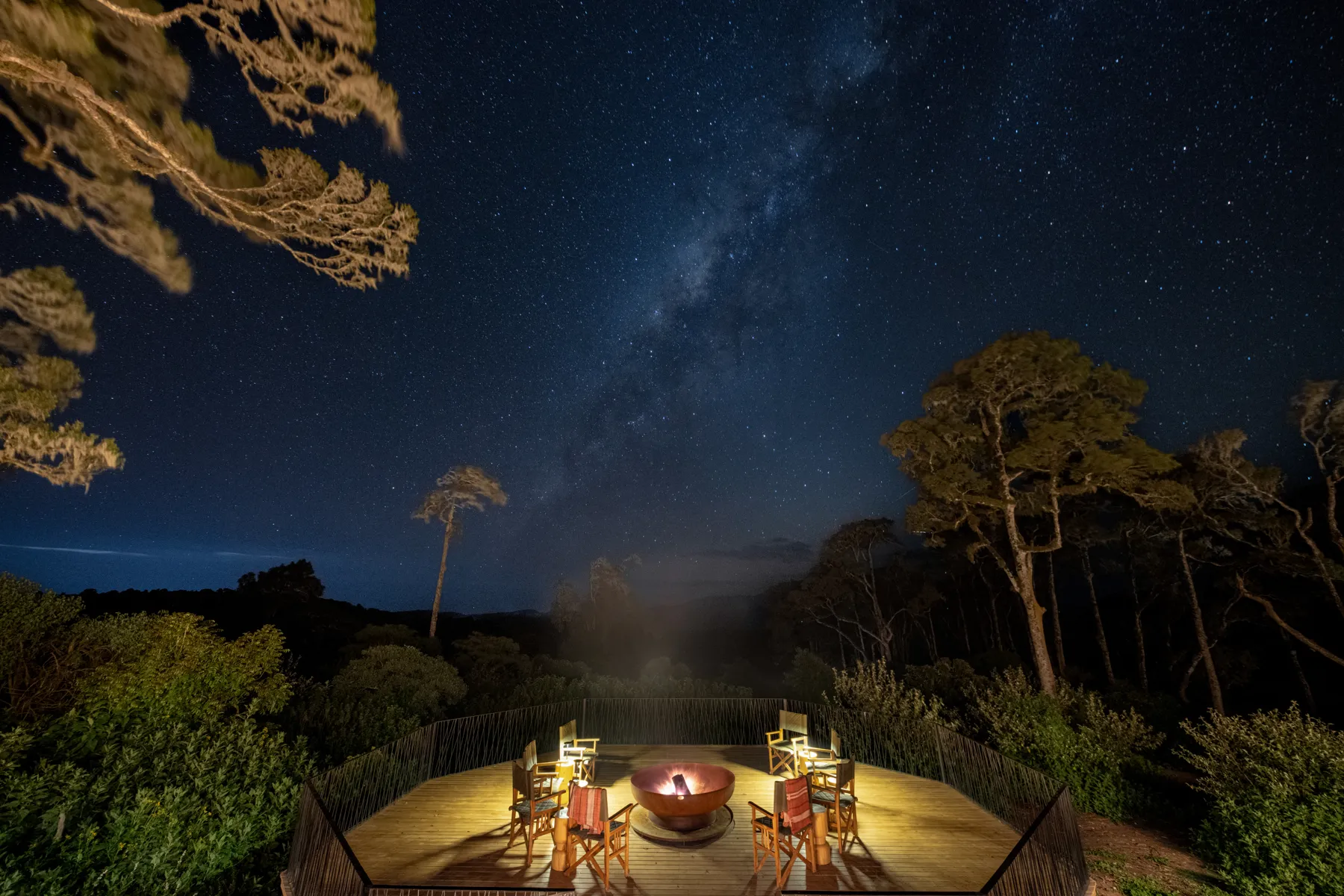
An African safari can be one of the most memorable experiences you share as a family. Imagine watching elephants cross the road in front of you, spotting a leopard resting in a tree, or sitting together around a fire beneath a sky full of stars after an adventure in the wild.
But if you're planning a family safari, you probably have a few questions. Are your children old enough? Will they be safe? And will there be enough to keep them entertained?
The good news is that there is no single perfect age for an African safari. The right experience depends on your children's ages, your family's interests, and the destinations and lodges you choose.
At Adventis, we design African safari experiences around the people travelling, helping you find the right balance of wildlife, adventure, comfort and meaningful family time.
How old should children be for an African safari?
The answer largely depends on the safari lodge and the activities you want to enjoy. Some camps welcome babies and toddlers, while others have minimum age requirements for accommodation, game drives and walking safaris.
Many lodges offer family-friendly facilities and activities designed to introduce younger guests to the natural world. These might include animal tracking, wildlife checklists, birdwatching, storytelling, nature-based games and cultural experiences.
Some also provide babysitting services, giving parents the opportunity to enjoy a longer game drive or a more intimate wilderness experience while their children are cared for.
As a general guide:
- Babies and toddlers (0–2 years): Some lodges welcome very young children, but shared game drives may not be suitable or permitted. Private vehicles and carefully selected camps can offer greater flexibility.
- Young children (3–5 years): Some lodges offer special children's game drives and supervised activities, while others have minimum age restrictions. A private vehicle can make the experience easier to adapt to your child's needs.
- Children (6–11 years): Many lodges welcome children of these ages on game drives, subject to their individual policies. Some also offer junior ranger programmes and other educational activities.
- Teenagers (12–16 years): Older children generally have access to a wider range of safari experiences, although age restrictions still apply to certain activities, particularly walking safaris.
These age ranges are guidelines rather than universal rules. Policies vary between lodges, reserves and activities, so it's important to check the specific requirements before booking.
At Adventis, we help you find family-friendly accommodation that suits your children's ages, interests and needs, so the experience feels exciting for them and relaxing for you.
Can you go on an African safari with a toddler?
Absolutely, provided you choose the right destination, accommodation and safari arrangements.
Travelling with a toddler requires a little more planning. Young children may need daytime naps, shorter activities and the flexibility to return to camp when they become tired. They may also be too young to join standard game drives, depending on the lodge's policies.
This doesn't mean you have to miss out on the safari experience.
Some family-friendly lodges provide babysitting, dedicated children's activities or private game drives that allow families to explore at their own pace. A private vehicle can be particularly valuable for families with younger children because you have greater control over timings, stops and the length of each outing.
For example, if your toddler becomes restless or needs to return to camp, you won't have to worry about disrupting a shared vehicle of other guests.
The key is to plan around your family rather than trying to fit your family into a fixed itinerary.
Is an African safari safe for children?
A safari can be a wonderful experience for children when the destination, accommodation and activities are chosen carefully.
Professional safari guides are trained to interpret animal behaviour, understand the environment and manage encounters with wildlife. Their expertise is essential, but safety also depends on following instructions and respecting the rules of the camp and reserve.
Wild animals are unpredictable, and even a luxurious safari lodge is part of a natural environment. Some camps are unfenced, which means children may need to be accompanied by an adult or lodge staff when moving around the property.
Before choosing a lodge, it's important to consider its family policies, the layout of the camp, the type of game drives offered and whether the experience is appropriate for your children's ages.
With thoughtful planning and sensible precautions, a safari can introduce children to the wilderness in a way that is both exciting and responsible.
What health and safety considerations should families know about?
A little preparation can make a significant difference to your family's comfort and peace of mind.
1. Travel Insurance and Medical Evacuation
Choose comprehensive travel insurance that covers your planned activities, medical emergencies and trip interruptions. Depending on your destination, you may also need emergency medical evacuation cover, particularly when staying in remote safari areas.
If you're travelling from South Africa, Adventis can assist you with arranging travel insurance through our dedicated insurance partner, Bryte. We'll help you navigate the options so you can make an informed decision about the cover that best suits your trip.
For more information, you can review the available policy details here: Explore Bryte Travel Insurance Policies
Please review the relevant policy wording, benefits, exclusions and eligibility requirements carefully before purchasing cover. Insurance availability and terms are subject to the insurer's conditions.
2. Vaccinations and malaria precautions
Health recommendations depend on the countries and regions you visit, your travel history and your family's individual circumstances. Consult a qualified travel-health professional well before departure about recommended vaccinations, malaria prevention and any destination-specific requirements.
Some safari areas in South Africa offer malaria-free wildlife experiences, making them worth considering for families with young children or those who prefer to avoid malaria-risk areas. However, the best choice depends on your family's needs, the wildlife experiences you're looking for and the destinations you'd love to explore.
Wondering whether a malaria-free safari is the right choice for your family? Discover the best malaria-free safari experiences in our guide to What Is the Best Malaria-Free Safari Experience for Your Family? For inspiration, explore this suggested Malaria-Free South African Safari Journey.
3. Hydration and sun protection
Safari days can be warm, and children may spend long periods outdoors. Bring reusable water bottles, hats, sunscreen and lightweight clothing suitable for the climate. Follow your lodge's guidance on drinking water and encourage children to drink regularly.
4. Food and stomach health
Choose food and drinking water in accordance with your lodge's guidance and local conditions. Pack any necessary prescription medication and a suitable travel first-aid kit. Oral rehydration salts may also be useful when travelling with children.
5. Follow your guide's instructions
Listen carefully during safety briefings, remain inside the safari vehicle unless your guide says otherwise, and follow the camp's rules about moving around the property. These precautions are especially important at unfenced lodges.
At Adventis, we consider these practical details when planning your trip, helping you make informed choices about where to stay, when to travel and which experiences are right for your family.
What safari experiences can children enjoy?
One of the most rewarding things about a family safari is seeing the natural world through your children's eyes.
A bird in a tree, an unusual footprint in the sand or a herd of elephants approaching a waterhole can become the highlight of their day. With the right guide and a little room for curiosity, children often discover that the bush offers far more excitement than they expected.
Here are some experiences to consider.
1. Junior ranger programmes
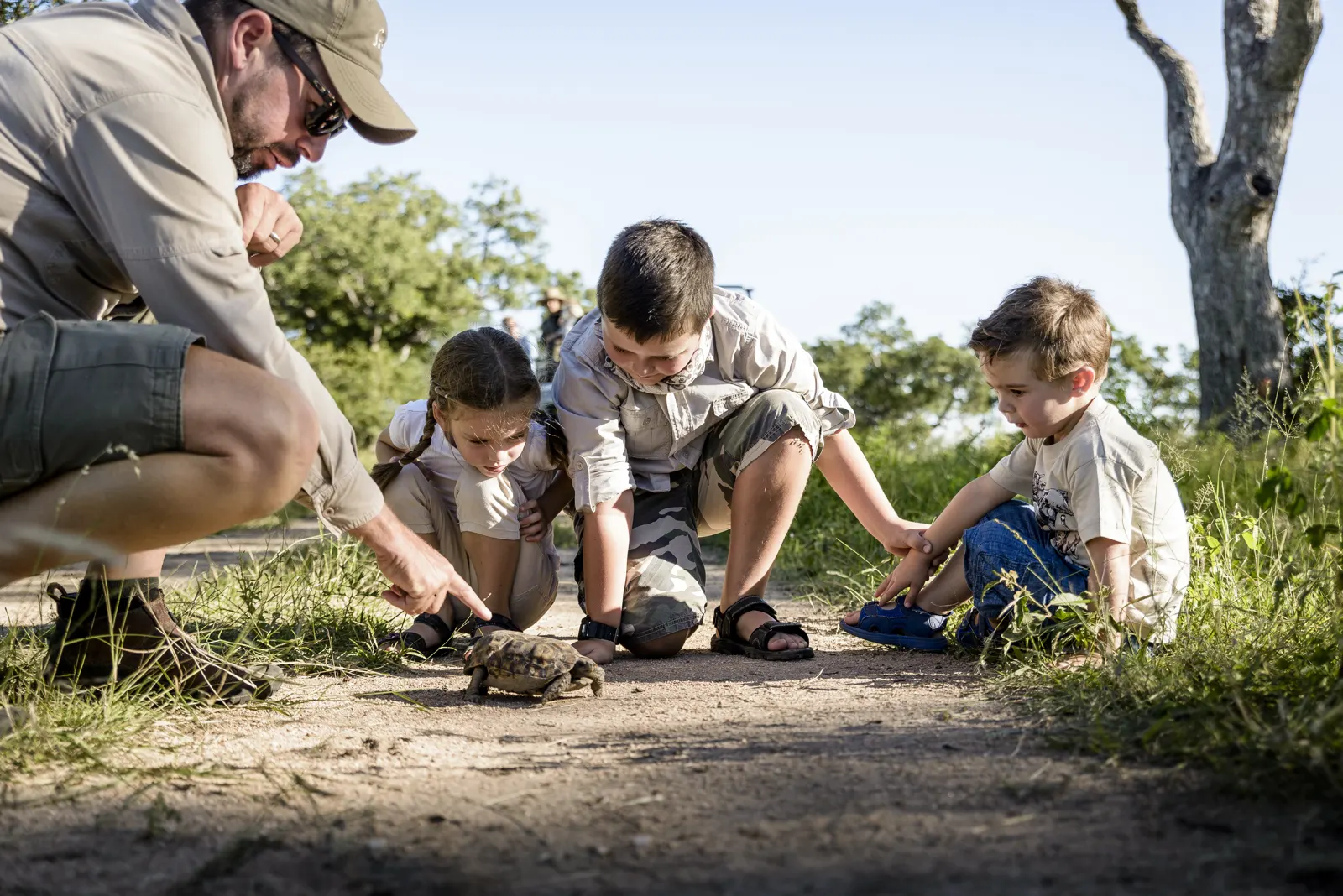
Many family-friendly lodges offer activities that help children discover wildlife and learn about conservation. Depending on the lodge, these may include animal tracking, bird identification, nature challenges, wildlife checklists and cultural crafts.
Some programmes even introduce children to conservation skills in a fun, age-appropriate way. They can learn not only about the animals they see, but also why protecting their habitats matters.
2. Nature walks and tracking
A walking experience can turn the bush into an outdoor classroom. Children may learn to identify animal tracks, recognise interesting plants, observe insects and discover the smaller details that are easy to miss from a vehicle.
These activities must be suitable for the child's age and conducted under appropriate supervision. Walking safaris in areas with dangerous wildlife often have strict minimum age requirements, while gentler nature walks may be available for younger children.
3. Cultural experiences
A thoughtfully arranged cultural visit can give children a broader understanding of the places they explore.
Meeting local people, learning about traditional crafts or discovering how communities live alongside wildlife can help children appreciate that Africa is not simply a wilderness destination. It is also home to diverse cultures, communities and stories.
When these experiences are arranged respectfully and with local participation, they can create meaningful opportunities for cultural understanding and support for local livelihoods.
4. Family game drives
Game drives are often the highlight of a safari. There is nothing quite like spotting an animal in the wild together and watching everyone's excitement unfold.
For families with younger children, consider lodges that offer dedicated children's drives or private vehicles. These options can allow for shorter outings, flexible departure times and a pace that suits your family.
The right arrangement helps everyone enjoy the experience without putting unnecessary pressure on parents or children.
5. Games, indoor and outdoor activities with lodge staff
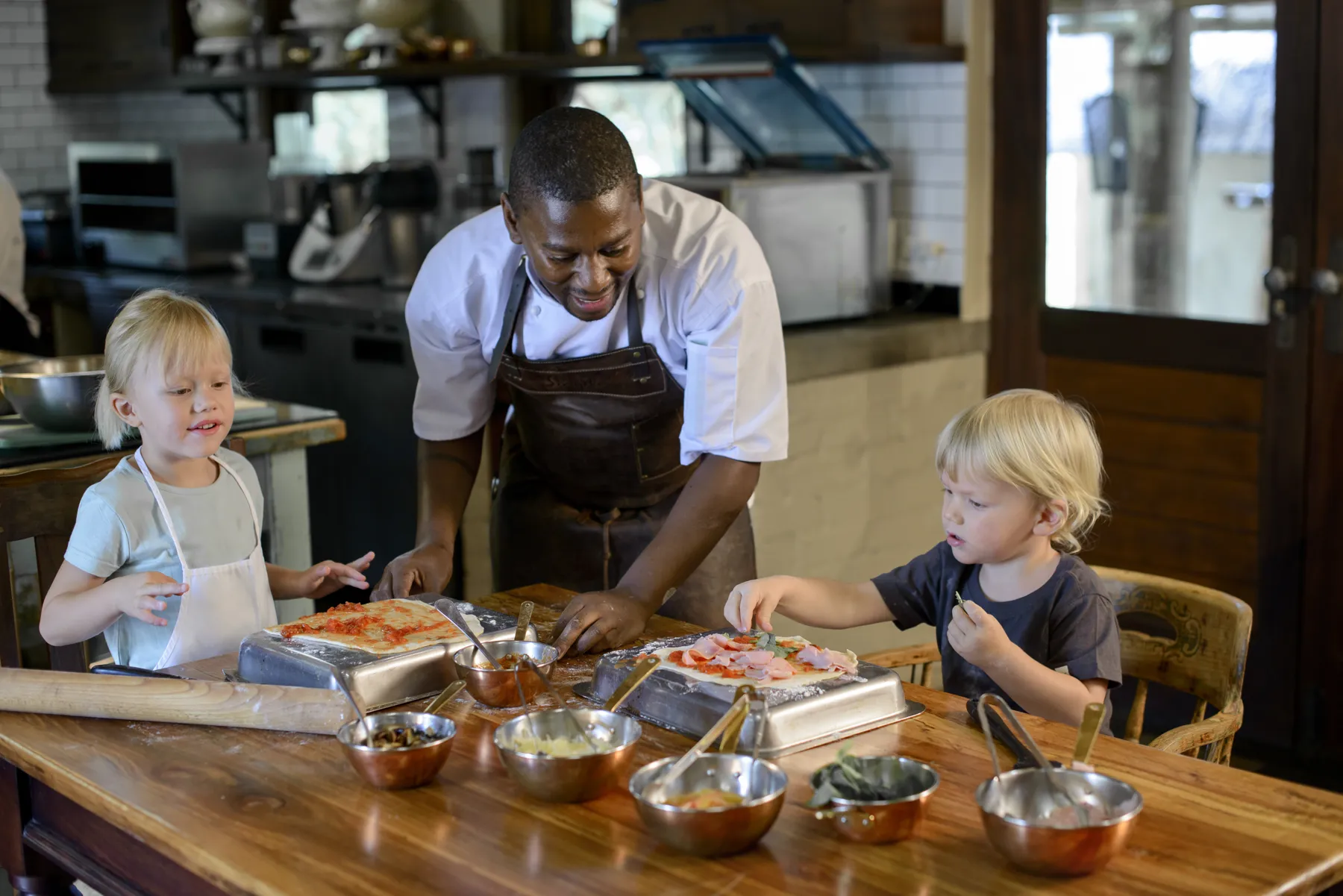
Safari camps are not only about game drives. Depending on the property, children may have opportunities to play football, volleyball, tennis or other outdoor games with staff and fellow guests.
Some lodges also offer swimming pools, cooking activities, arts and crafts or other facilities that make downtime enjoyable.
These quieter moments can be just as memorable as the wildlife sightings. They give children time to play, make connections and enjoy being outdoors, while parents have a chance to relax.
The Adventis difference: A safari your family will remember
A family safari is about more than ticking animals off a list. It's about the excitement of discovering something new together, the conversations that happen away from everyday distractions and the memories that become part of your family's story.
At Adventis, we believe luxury, adventure and purpose can come together beautifully. We work with experienced African safari specialists to help you choose the right destinations, family-friendly lodges and activities for your particular needs.
Whether you're travelling with toddlers, school-aged children or teenagers, we take the time to understand your family before recommending where to go and how to experience it.
Because the best safari isn't necessarily the one with the most activities or the most exclusive lodge. It's the one that brings your family closer while introducing you to the wonder of Africa.
Ready to start planning your family's African safari?
Tell us who's travelling, the ages of your children and what you would love to experience together. We'll help you explore the possibilities and create a safari that feels right for your family. Plan your journey here.
Next read: Which African countries are best for a first family safari?
South Africa, Kenya, Botswana, Tanzania and other African destinations each offer something different for families. The best choice depends on your children's ages, your interests, your comfort preferences and the kind of adventure you're looking for.
Discover which destinations are best suited to your first family safari in our next guide: Which African Countries Are Best for a First Family Safari?