
Stories
Health and Safety in Africa: What Every Traveller Should Know
Adventis · 22 October 2026
From travel insurance and malaria precautions to staying safe in the wilderness, a little preparation can help you explore Africa with greater confidence and peace of mind.
An African adventure can take you far beyond the familiar. You might find yourself in a remote safari lodge, travelling between destinations by small aircraft, exploring rugged landscapes or spending your days outdoors under the African sun.
Whether you're planning a family safari, a couples' escape, an adventurous getaway, a corporate retreat or a student expedition, preparing for your health and safety is an important part of planning a successful trip.
The good news? With the right information, thoughtful preparation and experienced local partners, you can make informed decisions and focus on enjoying the experience.
Here are some important considerations to keep in mind before travelling to Africa.
1. What Travel Insurance Do You Need for an African Safari?
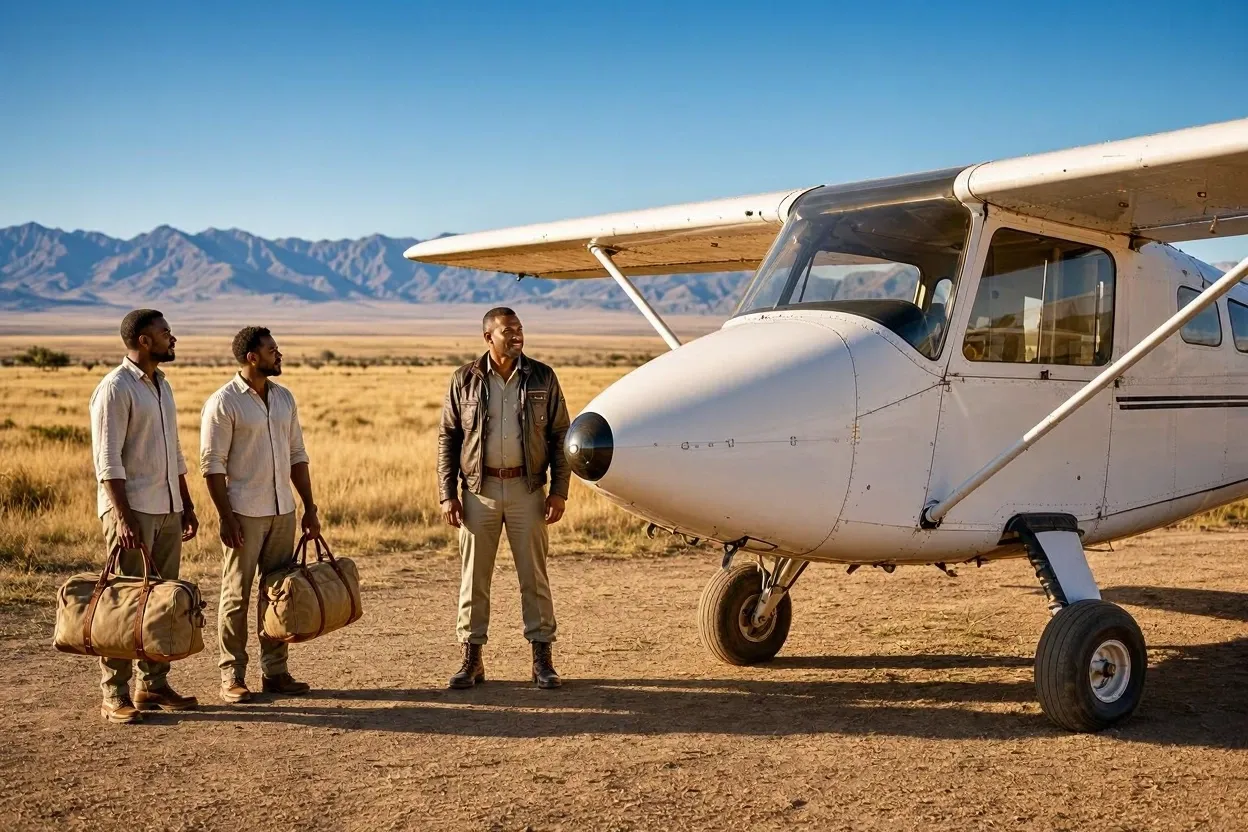
Comprehensive travel insurance is an important part of preparing for your trip. Look for cover that suits your itinerary, including medical emergencies, hospital treatment, trip interruptions and the activities you intend to enjoy.
Depending on your destination, emergency medical evacuation cover may be particularly important. Some safari lodges and remote destinations are a considerable distance from advanced medical facilities, and evacuation by road or air can be costly.
Before purchasing a policy, check its benefits, exclusions, excesses and eligibility requirements. Make sure any activities you plan to undertake are covered, particularly adventure sports, trekking or other specialist experiences.
If you're travelling from South Africa, Adventis can assist you with arranging travel insurance through our dedicated insurance partner, Bryte. We'll help you navigate the available options so you can make an informed decision about the cover that best suits your trip.
Explore the available Bryte Travel Insurance Policies.
Insurance terms, availability and benefits are subject to the insurer's policy wording and conditions.
2. What Health Precautions Should You Take Before Travelling to Africa?
Health recommendations vary depending on the countries and regions you visit, your travel history, the season and your individual circumstances.
Before departure, consult a qualified travel-health professional well in advance about recommended vaccinations, malaria prevention, destination-specific health requirements and any medication you may need. Some destinations may also have entry requirements relating to vaccination, depending on where you've travelled.
Understanding malaria risk
Malaria occurs in certain parts of Africa, but not everywhere. Risk can vary by region and season, so it's important to assess your specific itinerary rather than assume an entire country has the same level of risk.
South Africa, for example, offers a range of malaria-free safari destinations where you can enjoy remarkable wildlife experiences without travelling into malaria-risk areas. These can be appealing if you'd prefer to avoid malaria exposure, although your choice of destination should also reflect the wildlife, accommodation and activities you're looking for.
You can explore our guide to What Is the Best Malaria-Free Safari Experience for Your Family?, which highlights safari options in South Africa. The destinations may also be worth considering for couples, groups and other travellers seeking a malaria-free wildlife experience.
For inspiration, explore this suggested Malaria-Free South African Safari Journey.
Remember that malaria-free does not mean free from every travel-related health risk. Follow professional advice for your complete itinerary, including any destinations you visit before or after your safari.
3. How Can You Stay Hydrated and Protected in the African Sun?
Africa's climate varies enormously, from hot, dry deserts to humid tropical regions and cooler mountainous areas. Even during cooler months, the sun can be strong, particularly when you're spending long periods outdoors.
A few simple habits can make your days more comfortable:
- Carry a reusable water bottle and drink regularly throughout the day.
- Wear a hat, sunglasses and suitable sunscreen.
- Choose lightweight clothing appropriate for the climate, with layers for chilly early mornings and evenings.
- Seek shade and take breaks during particularly hot periods.
- Follow your accommodation's guidance about drinking water and local conditions.
If you're taking part in strenuous activities such as hiking, trekking or extended outdoor excursions, ask your guide about the expected conditions and the amount of water you'll need.
Heat exhaustion and dehydration can affect anyone, regardless of age or fitness level, so pay attention to how you feel and don't push through symptoms.
4. How Can You Avoid Stomach Upsets While Travelling?
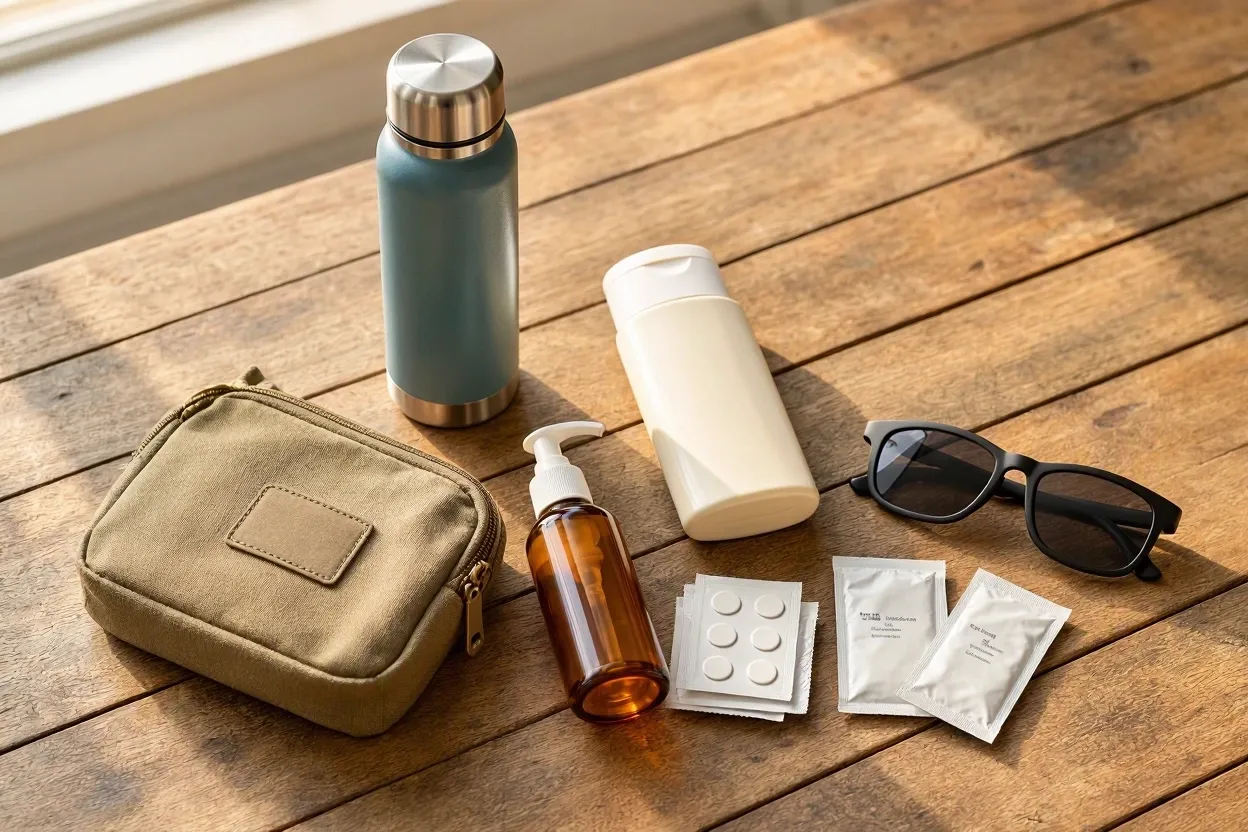
Exploring new cuisines is one of the pleasures of travelling. From a lodge's beautifully prepared meals to local dishes that introduce you to a destination's culture, food can become part of the adventure.
To reduce the risk of stomach upsets, follow the advice of your accommodation and local guides regarding drinking water and food safety. If you have dietary requirements or allergies, communicate these to your travel planner and accommodation providers before arrival, and confirm arrangements directly where necessary.
It's also sensible to pack any regular prescription medication in its original packaging, along with a suitable travel first-aid kit. Oral rehydration salts may be useful for managing fluid loss from diarrhoea, but seek medical advice if symptoms are severe, persistent or accompanied by fever, blood in the stool or signs of significant dehydration.
If you have an existing medical condition or specific medication needs, discuss your plans with your healthcare professional before travelling.
5. Is It Safe to Be Around Wild Animals on Safari?
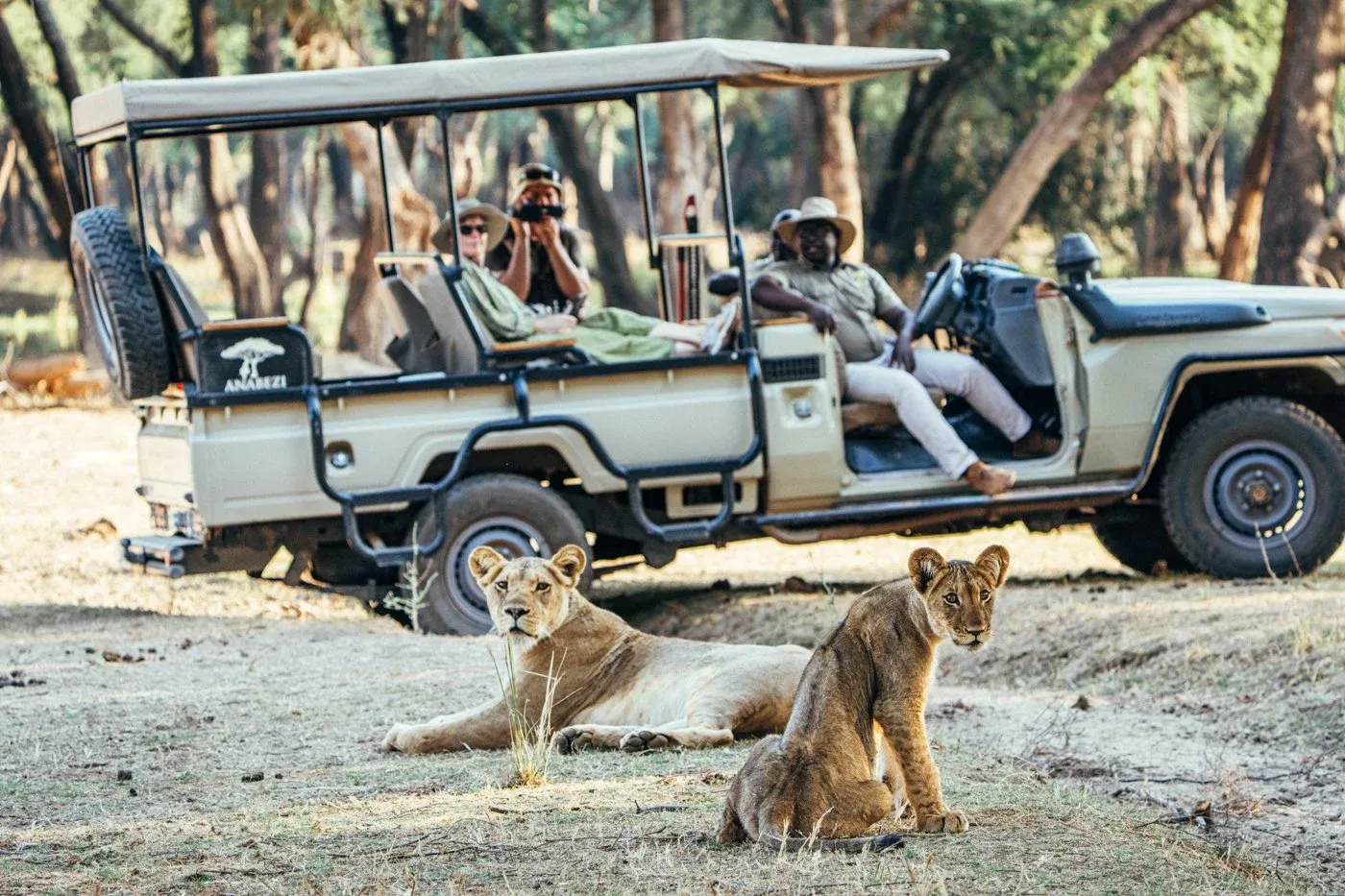
Encountering wild animals in their natural environment is one of Africa's greatest privileges. It is also important to remember that these are wild animals, and their behaviour can be unpredictable.
Your guide and lodge team will explain the safety procedures relevant to your experience. Listen carefully and follow their instructions at all times.
Important principles include:
- Remain inside the safari vehicle unless your guide specifically instructs you otherwise.
- Avoid shouting, sudden movements or actions that could disturb wildlife.
- Never attempt to approach, touch, feed or attract wild animals.
- Follow the rules about moving around the lodge, especially at unfenced properties.
- Keep a safe and respectful distance from animals, even when they appear calm.
- Follow all instructions during walking safaris and other guided wildlife experiences.
At some lodges, animals may move freely through the property. You may be required to request an escort when walking between your room and communal areas, particularly after dark.
These precautions are not intended to take away from the excitement of a safari. They help protect you, other travellers, your guides and the wildlife itself.
6. What Should You Know About Getting Around Africa?
Travelling between African destinations can be an adventure in itself. Depending on your itinerary, you might use private road transfers, self-drive routes, 4x4 vehicles, scheduled flights or small aircraft connecting remote safari lodges.
Travel conditions vary considerably across the continent. Some roads are well maintained, while others may be gravel, uneven, muddy or sandy. Weather, roadworks, wildlife and distance can all affect travel times.
When planning your itinerary, consider the following:
- Allow realistic travel time. Avoid scheduling tight connections after long road transfers, particularly in remote regions.
- Choose suitable transport. Some destinations require specialist vehicles or experienced local drivers.
- Follow local road rules. Familiarise yourself with driving requirements and conditions before choosing a self-drive trip.
- Understand luggage restrictions. Small aircraft often have strict weight limits and specific baggage requirements.
- Build in flexibility. Weather and operational conditions can affect flights, transfers and activities.
For remote destinations, private transfers or fly-in arrangements may provide a more comfortable and practical option than driving long distances yourself.
At Adventis, we consider the routes, travel times and transport options when helping to shape your itinerary, so you can make informed choices about how to move between destinations.
7. How Can You Prepare for African Adventures and Outdoor Activities?
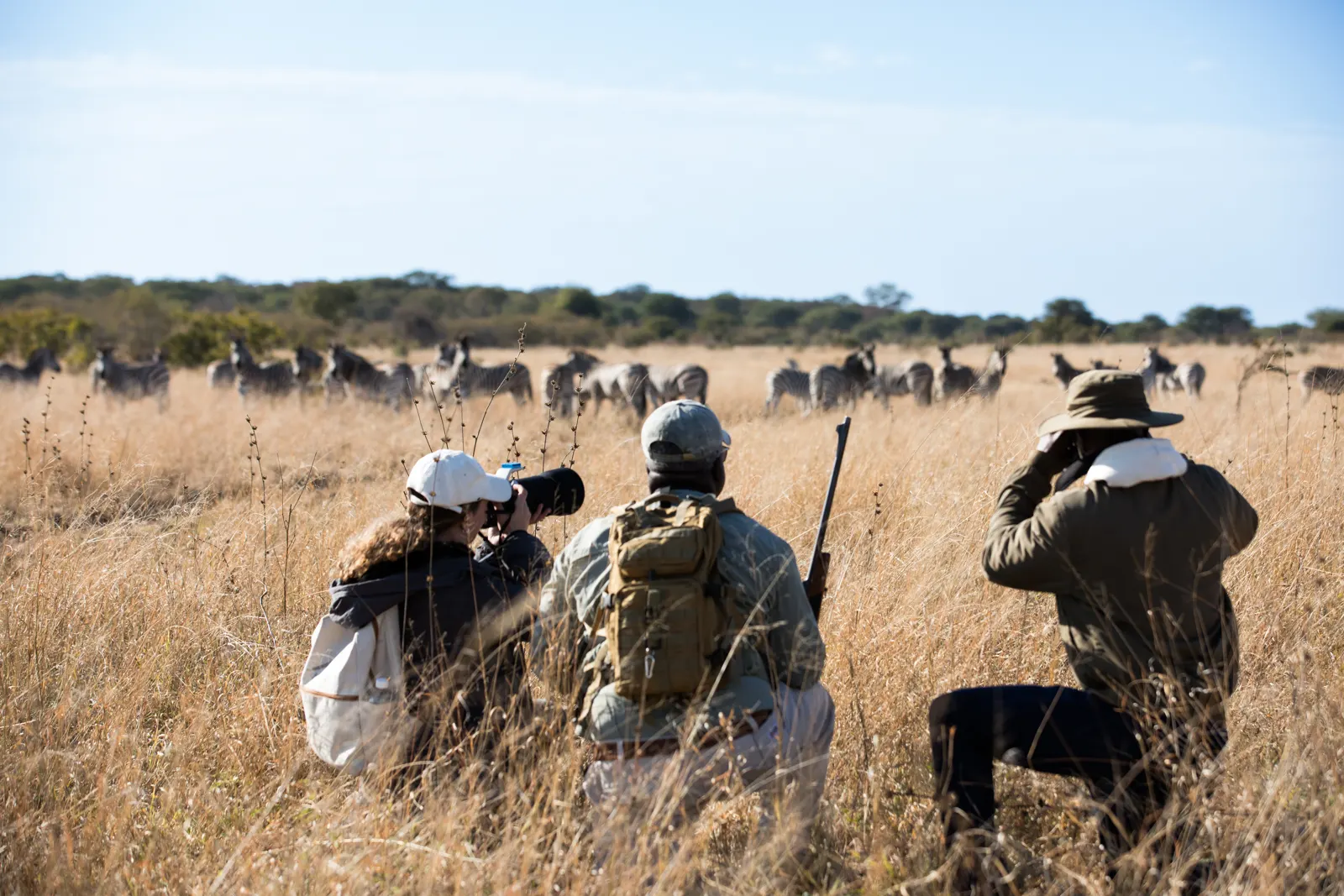
An African journey can include much more than game drives. You might be planning a guided walking safari, gorilla trek, mountain hike, rafting excursion, diving experience or a demanding 4x4 adventure.
Each activity comes with its own requirements, so check these before confirming your plans.
Consider your fitness level, any relevant medical needs, the equipment provided, minimum age requirements where applicable, and whether specialist experience is necessary. Use our reputable operators and qualified guides, and follow their safety instructions.
For activities such as gorilla trekking, climbing Mount Kilimanjaro, white-water rafting, diving and other physically demanding adventures, permits, seasonal conditions, health requirements or specific training may apply. Some experiences also require a certain level of fitness, so it’s important to understand what’s involved and prepare accordingly before you travel.
If you're travelling as part of a student group, corporate team or larger party, confirm that activities are appropriate for all participants and that suitable supervision and contingency arrangements are in place.
The goal is to choose experiences that challenge and inspire you without overlooking your comfort or safety.
8. What Documents and Emergency Details Should You Keep Handy?
A little organisation before departure can save time and stress if something unexpected happens.
Consider keeping the following information accessible, both digitally and in a secure backup:
- Passport details, visas and relevant entry documents.
- Travel insurance policy and emergency contact details.
- Flight bookings, accommodation confirmations and transfer arrangements.
- Prescription information and relevant medical details.
- Contact details for your travel planner, local operator and accommodation providers.
If you're travelling with a group, make sure everyone knows whom to contact if they become separated or need assistance.
It's also wise to share your itinerary with someone at home and understand the local emergency procedures for the destinations you're visiting.
9. How Can You Travel Safely and Responsibly in Africa?
Every destination has its own customs, laws, environmental considerations and expectations for visitors.
Listen to your local guides, follow instructions at national parks and reserves, and respect the guidance of community hosts. Ask before photographing people, dress appropriately for the setting and avoid activities that exploit people or disturb wildlife.
Responsible travel also means recognising that conditions can change. Weather, local advisories, road conditions and health recommendations may affect your plans, so check reliable guidance before and during your trip.
An experienced local team can help you understand these considerations and make appropriate arrangements, while leaving you free to enjoy the destination.
Travel Well, Explore With Confidence
Thoughtful preparation doesn't have to make travel complicated. In fact, taking care of the practical details beforehand can help you feel more relaxed when your adventure begins.
From choosing suitable travel insurance and understanding malaria risk to selecting the right transport and following wildlife safety guidance, every decision contributes to a better-planned trip.
At Adventis, we believe an extraordinary African journey should feel exciting, personal and well considered. We work with experienced travel partners to help you navigate the details, choose suitable experiences and build an itinerary around your needs.
Whether you're dreaming of a family safari, a romantic escape, an adventurous getaway, a team-building retreat, a student expedition or a purpose-led journey, we'll help you think through the practical considerations alongside the experiences that make your trip special.
Because the more prepared you feel, the more freedom you have to enjoy the moments that matter.
Begin Your Journey with Adventis
Travel health and safety recommendations can change and vary by destination and individual circumstances. This article is for general information only and is not a substitute for professional medical advice, official travel guidance or the terms of your insurance policy.